Case 33 | Chapter 5: Signal and Noise — How Truth Survives in Abundance
I. The Era of Excess Noise
The biggest problem with online content today is not that there is too much of it.
It is that so much of it looks real.
Fake content is easy to spot.
But content that looks real is far harder to detect. It reads smoothly, has structure, sounds reasonable — yet leaves no weight behind. No neighbourhood conversation. No trace of time. No texture of life.
AI can generate ten thousand moving stories.
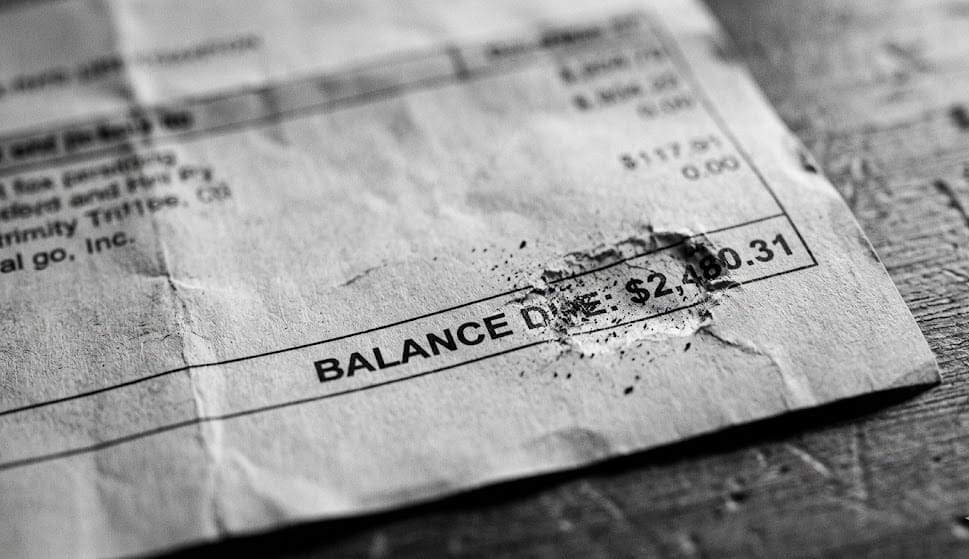
But it cannot write: “He ran his fingernail across the numbers on the electricity bill, as if he could scratch them away.”
That is the distance between something that looks real and something that is.
II. The Inbreeding of AI
When AI trains on its own output, the result becomes progressively hollow.
A lawyer used AI to draft a document and cited cases that never existed. The judge sanctioned him.
This is no longer an isolated incident. It is a systemic pattern. The lawyer was simply the first to be caught.
Inbreeding is no longer theory. It is already happening in the real world.
III. Why Real Weight Is Rare
Writing a Case takes time not because of research, but because of calibration.
Calibration means checking against reality: Did this actually happen? Is there a real person, a real address, a real lived experience? Does the framework actually solve a real problem?
AI skips this process entirely.
It produces quickly, but what it produces has no weight.
IV. Truth Needs to Be Anchored
In a flood of information, the one percent of real signal is easily buried.
To keep it from disappearing, it must be anchored — fixed to a real person, a real story, a real place.
Every Case here carries a real person and a real experience. Every formula has been tested against real businesses.
These things cannot be copied by AI.
Because AI was never there.
AI can simulate presence, but it cannot simulate the weight of being there.
V. The Role of the Recorder
What you are doing — building frameworks, recording reality — is fundamentally different from generating content.
You are not producing content.
You are recording reality.
In an era of excess noise,
the recorder is rarer than the producer.
VI. Closing
AI can generate ten thousand moving stories.
But it cannot write: “He ran his fingernail across the numbers on the electricity bill, as if he could scratch them away.”
In this era, cognition, logic, structure, truth, and lived experience — none can be missing.
The Cases written here are the anchors of truth.
What is being recorded is not information.
It is weight.
Further Reading:
• Signal vs Noise 001: AI Made a Lawyer Lie to a Judge
• Signal vs Noise 002: The Algorithm Says It Wants Real
• Signal vs Noise 003: When the Label Becomes the Lifeboat
• Signal vs Noise 004: The Calibrator — Why 2028 Is Not a Prediction, It’s a Structure
Case 33 | Chapter 5:訊號與噪音——真實如何在過剩中倖存
一、噪音過剩的時代
現在網上的內容,最大的問題不是太多,而是太似真。
假的東西一眼就能看穿,但「太似真」的東西卻讓人難以分辨。它流暢、有結構、有道理,讀完卻感覺不到任何重量——沒有街坊的對話,沒有時間的痕跡,沒有生活的噪聲。
AI 可以寫出一萬篇感人故事,
卻寫不出「他用指甲劃過電費單上的數字,好像想把它劃走」。
這就是「太似真」與「真」的距離。
二、AI 的近親繁殖
當 AI 用自己生成的內容繼續訓練,結果只會越來越空洞。
律師用 AI 寫文件,引用不存在的案例,最後被法官制裁。這已經不是個別事故,而是系統性現象。律師只是第一個被看見的。
近親繁殖不再是理論,它正在真實世界裡發生。
三、真實的重量為什麼難得
寫一個 Case,最花時間的不是找資料,而是校準結構——確認這件事是否真的發生過?是否有真實的人、真實的地址、真實的經歷?框架是否真的能在現實中解決問題?
AI 跳過了這個過程。
所以它產出的東西,永遠沒有重量。
四、真實需要被錨定
在排山倒海的訊息裡,那 1% 的真實很容易被淹沒。
要讓它不被淹沒,就必須將它錨定在真實的人、真實的故事、真實的現場上。
你寫的每一個 Case,背後都有真實的人和真實的經歷;你提出的每一個公式,都經過真實生意的驗證。
這些東西,AI 抄不走。
因為它從來沒有在現場。
AI 可以模擬現場,但模擬不出「在現場」的責任感。
五、記錄者的角色
現在做的事——推演結構、記錄現實——和那些純粹生成內容的人,本質上不同。
你不是在生產內容,
你是在記錄現實。
在噪音過剩的時代,
記錄者比生產者更稀缺。
六、結尾
AI 可以寫出一萬篇感人故事,
卻寫不出「他用指甲劃過電費單上的數字,好像想把它劃走」。
在這個時代,認知、邏輯、架構、真實、現場經歷——缺一不可。
而你寫的 Case,就是這個時代的真實錨點。
你記錄的,不是資訊,
而是重量。
延伸閱讀:
• 《Signal vs Noise 001:AI讓律師對法官說了謊》
• 《Signal vs Noise 002:演算法說它想要真實》
• 《Signal vs Noise 003:當標籤成為救生圈》
• 《Signal vs Noise 004:校準者——為什麼2028不是預測,而是結構》